- About Us
-
Programs
-
-
Overdose Prevention
-
Wellness
-
- Coalitions
- News
- Get Involved
- Sponsor
- Contact Us
- SAVE-A-LIFE
- Calendar
- Donate Now
Meeting People Where They Are
Individual Image
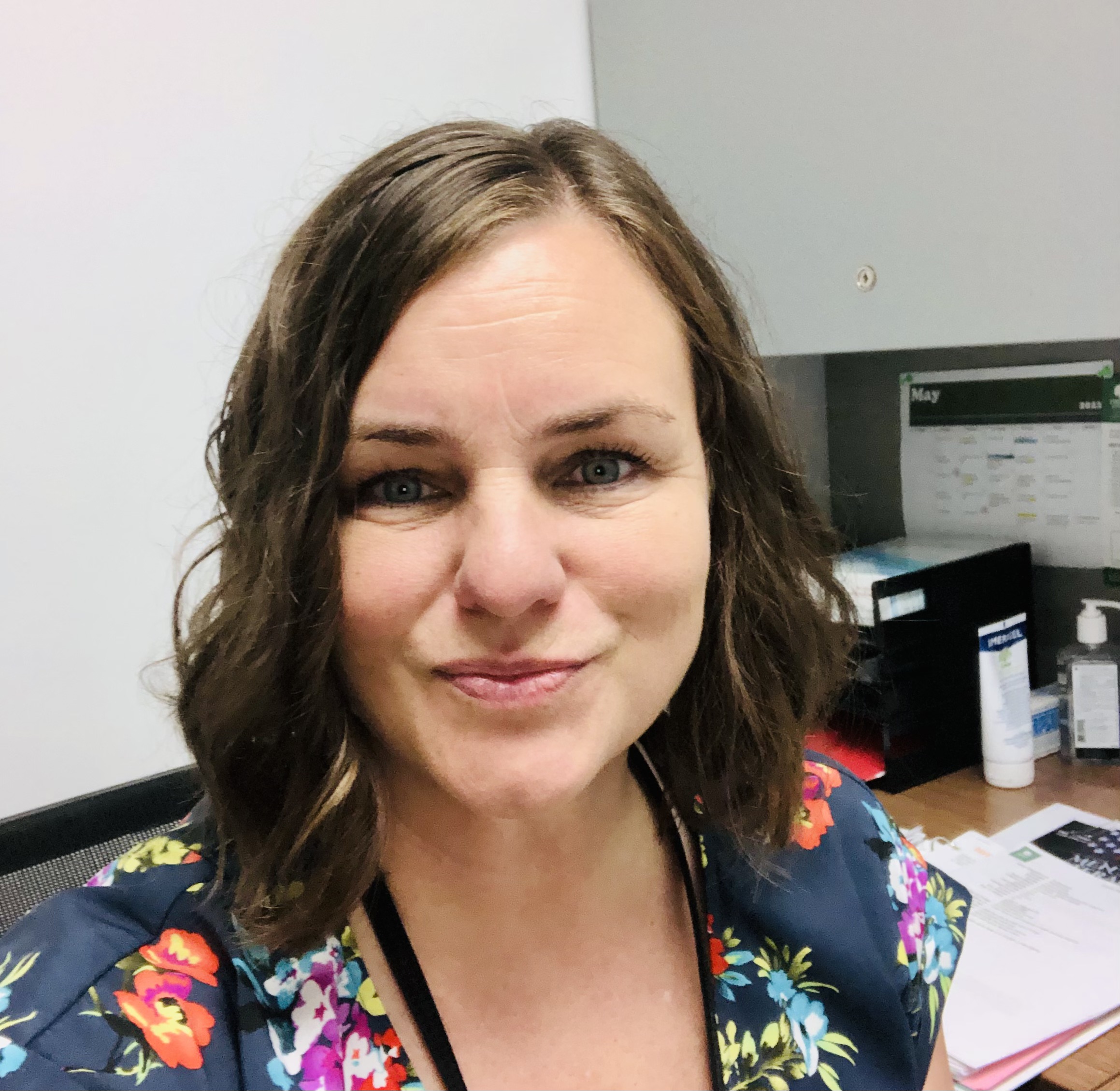
Every month, more than 400 people walk through the doors of the Oakland County Harm Reduction Clinic in Pontiac, no appointments needed, no judgment waiting for them when they arrive.
"Our clinic is a walk-in clinic that provides over 400 visits per month," says Jennifer Erskine, BSN, RN, Health Program Coordinator with the Oakland County Health Division. "The clinic is both client-centered and client-driven. We create a safe space, free of judgment, where people can access support services while preventing overdoses in our community."
For Jen, the work is personal. "I am drawn to Harm Reduction because it is about the health and safety of our community, and I have a passion for public health."
Where the mission comes alive
Ask Jen what makes this work matter, and she doesn't point to a single dramatic moment, she points to presence. "Our work is powerful because our team has an opportunity to be present when people need us the most," she explains. "We are able to advocate for them and encourage them while supporting them with their goals. Whether they are big or small, we love to see their wins."
That belief in showing up, consistently, without conditions, is what separates harm reduction from the misconceptions that still surround it.
Clearing up a persistent myth
"That Harm Reduction enables people who use drugs" is the misconception Jen hears most often. The evidence tells a different story: clients engaged in harm reduction services are five times more likely to access substance use treatment. The approach also lowers opioid overdoses and overdose deaths, reduces hospitalizations and emergency room visits, prevents the spread of HIV and Hepatitis C, and cuts down on accidental needle sticks among first responders.
In other words, harm reduction isn't the opposite of recovery, for many, it's the bridge to it.
A team built to meet real needs
Behind every visit is a multidisciplinary team: a nurse practitioner, nurses, a social worker, and peer recovery coaches, all trained to complete thorough needs assessments and connect clients to community resources. The Alliance partners with the clinic and provides daily peer recovery support services, helping ensure clients have someone with lived experience alongside them on their journey. On any given day, the clinic can provide:
Overdose education and Narcan
- STI, HIV, and Hepatitis C testing
- Referral and linkage to substance use treatment
- Safe supplies, education, and risk-reduction counseling
- Peer support services
- Wound care and vaccinations
- Social work services
- Acute and chronic medical care from the clinic's nurse practitioner
Even with all of that in place, Jen is candid about what's still missing. "The biggest gaps in the community are housing and withdrawal management," she says. "It is difficult for people to focus on both their physical and mental health if they are not housed. In addition, one of the biggest barriers to accessing substance use treatment is the fear of suffering from withdrawal." The team is working alongside community partners to close both gaps.
What Jen wants partners and neighbors to know
If there's one message Jen hopes reaches funders, partners, and the wider community, it's this: "Harm Reduction saves lives. It allows people a safe space where they can be seen and cared for, free of judgment. Harm Reduction plays a crucial role in the health and safety of our communities. It is a place where everyone is treated with dignity and respect."